
What your site is really saying to prospects.

Every healthcare organization's website has a personality. Most just don't realize what it's saying to prospects.
After 20 years in marketing (including 9 years as Marketing Director for a healthcare actuarial consulting firm) I've reviewed hundreds of healthcare websites. And I keep seeing the same patterns. Not in the design or the technology, but in the way the site communicates (or fails to communicate) the value of the organization behind it.
I've identified 8 distinct website personalities that show up across healthcare consulting firms, health systems, benefits organizations, and specialty practices. Each one has a specific blind spot, a real cost, and a clear path to fixing it.
Read on to see which one sounds like yours.

1. The Waiting Room
Your website is there, but nobody's checking in.
The Waiting Room is the site that exists, but doesn't do any real work for the organization. Visitors land on it, look around briefly, and leave without a clear sense of who you are or why they should care.
This isn't a design problem. It's a presence problem. The site doesn't make a case for your expertise, and it doesn't give anyone a reason to take the next step. It's the digital equivalent of a firm handshake with no eye contact.
What it's costing you: Every month, qualified prospects are finding your site through search or referrals and moving on. You're not losing to better competitors. You're losing to louder ones.
Make your homepage answer three questions in 10 seconds: What do you do? Who do you do it for? Why are you different? If a stranger can't answer those after a quick scan, the page isn't doing its job.

2. The Chart Dump
All the data, none of the diagnosis.
The Chart Dump has a lot of content. Maybe too much. There are pages for every service, every capability, every nuance of what you do. The information isn't wrong, there's just no hierarchy. Everything is presented as equally important, so nothing stands out.
Prospects don't read websites. They scan. And when there's no clear path through the noise, they move on to the competitor whose site made the decision easier.
What it's costing you: Ironically, you're in a strong position — the content is there. But burying your best differentiator under 12 menu items and three scrolls of homepage content means most visitors never find it.
Prioritize ruthlessly. Lead with your strongest differentiator. Cut your homepage to one clear message. Think patient intake: what's the one thing you need to know first?

3. The Expired Script
It worked when it was first prescribed, but your organization has changed and the website hasn't gotten a refill.
Your organization has grown, shifted focus, added capabilities, or moved into new markets. But the website still reflects who you were, not who you are. The messaging references old priorities. The design feels dated. The content doesn't represent your current strengths.
This is one of the most common gaps in healthcare marketing. Organizations evolve faster than their websites, and one day you realize the site is three versions behind.
What it's costing you: Prospects who find you today are evaluating you based on yesterday's story. That mismatch creates doubt — and doubt kills conversions.
Start with your homepage and your top three service pages. Update the messaging to reflect where you are now, not where you were. A messaging refresh is almost always cheaper and faster than a redesign.

4. The Undiagnosed
The talent is there. It just hasn't been identified yet.
This is the most frustrating gap in marketing. You're doing outstanding work. Your clients love you. Your reputation in the industry is strong. But the website doesn't reflect any of that. The site is fine. It's just not you.
Visitors see a competent organization. They don't see the one that's quietly outperforming competitors twice their size. The differentiator exists! It's just buried, understated, or missing entirely from the web presence.
What it's costing you: You're losing opportunities you should be winning because your web presence doesn't match your reputation. Prospects who find you through referrals still check the site and what they see doesn't match what they heard.
This isn't about adding content — it's about elevating what's already true. Surface your best outcomes. Lead with client impact, not capabilities. Put your strongest proof point where it can't be missed.
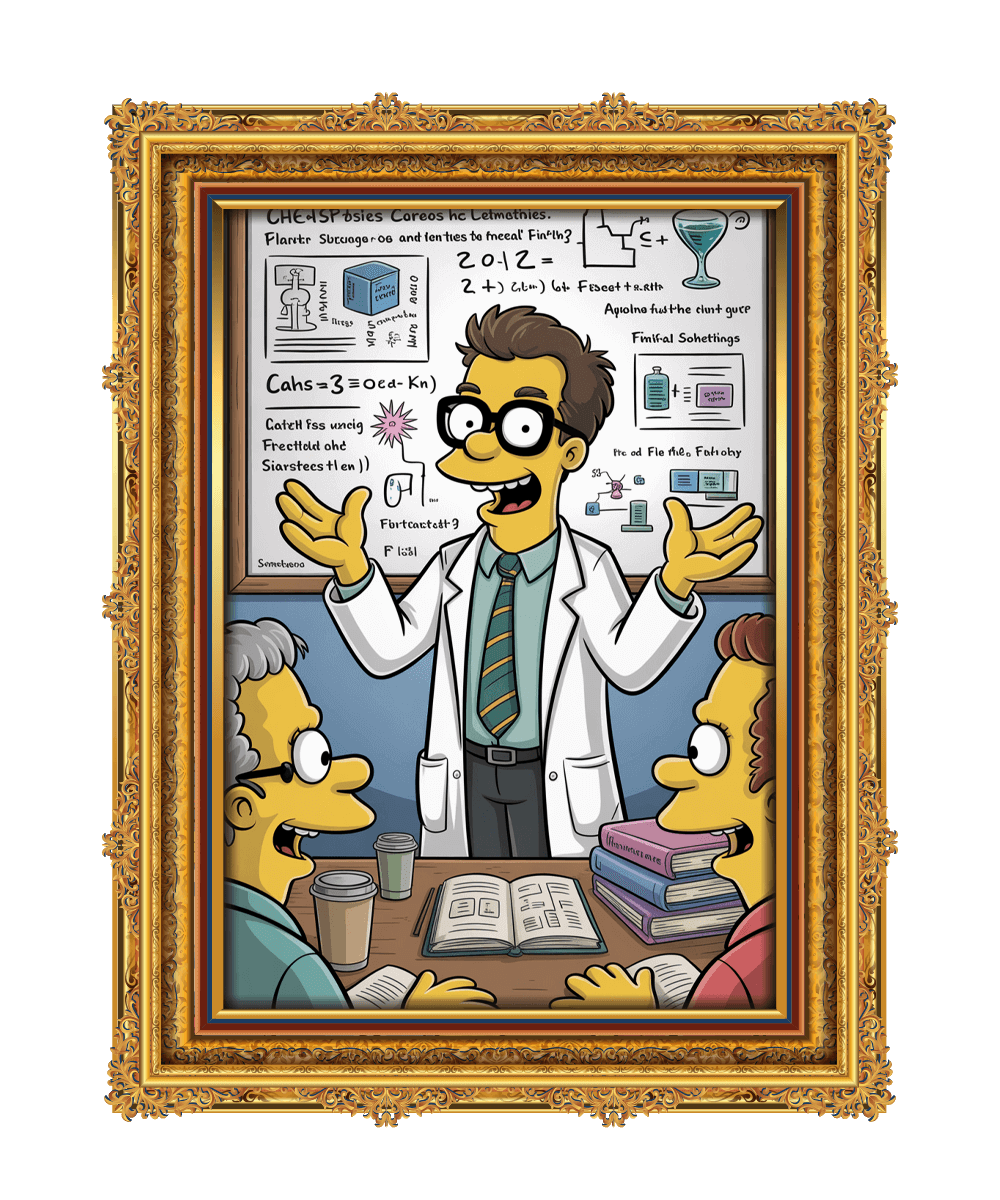
5. The Medical Jargon
Your site reads like a clinical abstract. Your team knows what it means. Your prospects left three paragraphs ago.
Your website is full of industry terminology, acronyms, and technical language that makes perfect sense to people inside your organization. The problem is, your prospects aren't inside your organization (at least not yet).
The expertise is clearly there. But the messaging assumes a level of familiarity that most first-time visitors don't have. Instead of feeling confident, they feel confused. And confused prospects don't convert.
What it's costing you: You're filtering out the exact people you want to attract. The prospects who would benefit most from your expertise can't get past the language barrier on your website.
Lead with the problem you solve in language your prospect uses when they're searching for help. Save the technical depth for the conversation. Your website's job is to start that conversation, not replace it.
6. The Generic Brand
Same formula as everyone else, different label.
Your website checks all the boxes. Clean design. Professional photos. Services listed. Contact form in place. The problem is, so does every other organization in your space. There's nothing wrong with the site, there's just nothing that makes it yours.
When a prospect is comparing three firms side by side, they're looking for a reason to choose. If your site looks, sounds, and feels like the other two, the decision comes down to price or proximity. And that's not a competition you want to win.
What it's costing you: You're competing on factors that have nothing to do with the quality of your work. Without differentiation, you become a commodity.
Specificity. Replace "we serve healthcare organizations" with exactly who you serve and what outcomes you deliver. One authentic, specific detail does more for your positioning than an entire page of polished generalities.

7. The Flatline
There's a website, but there are no signs of life.
Your website hasn't been meaningfully updated in a long time. The copyright year in the footer might be a few years behind. The last blog post — if there is one — is from a while ago. The design feels like it belongs to an earlier era of the web.
For prospects, an inactive website is a red flag. It signals that either the organization isn't thriving, or it doesn't prioritize how it presents itself. Neither impression helps you win new work.
What it's costing you: An outdated website actively works against you. Even prospects who find you through referrals will check the site and what they find might undo the trust that referral built.
Update your homepage messaging. Add or refresh one piece of content. Make sure the copyright year is current and the contact info works. Even small signs of life change the impression completely.

8. The Specialist
One page is world-class. The rest of the site needs a referral.
You've got one section of your website that genuinely shines — maybe the About page, maybe a specific service page, maybe a case study or team bio. It's compelling, well-written, and makes prospects want to reach out. The rest of the site doesn't come close.
This inconsistency creates a jarring experience. A prospect finds your best page, gets excited, clicks to learn more — and lands on something that feels like a completely different organization. That gap erodes the trust the strong page built.
What it's costing you: Your best page is doing heavy lifting, but the rest of the site is undoing its work. Prospects who enter through a weaker page may never find the strong one.
You already know what great looks like — you've done it once. Study what makes that page work — the tone, the structure, the specificity — and apply that same standard to your top three to five other pages.
Which One Are You?
Most healthcare organizations fall into at least one of these patterns and some are a combination of two or three. The good news is that once you can name the problem, the path forward gets a lot clearer.
Most healthcare websites fall into one of these 8 personalities.
Which one is yours?
About the Author
Lonnie Campbell is the founder of Campbell Mind, a marketing consultancy specializing in healthcare organizations and credit unions. He has 20+ years of marketing experience, including 9 years as Marketing Director at Axene Health Partners.
